
Thinking about a fresh start on Florida’s Space Coast? Brevard County blends Atlantic-ocean beaches, riverfront living, rocket-launch views, and friendly neighborhoods with real value for

Dated: November 3 2025
Views: 1124
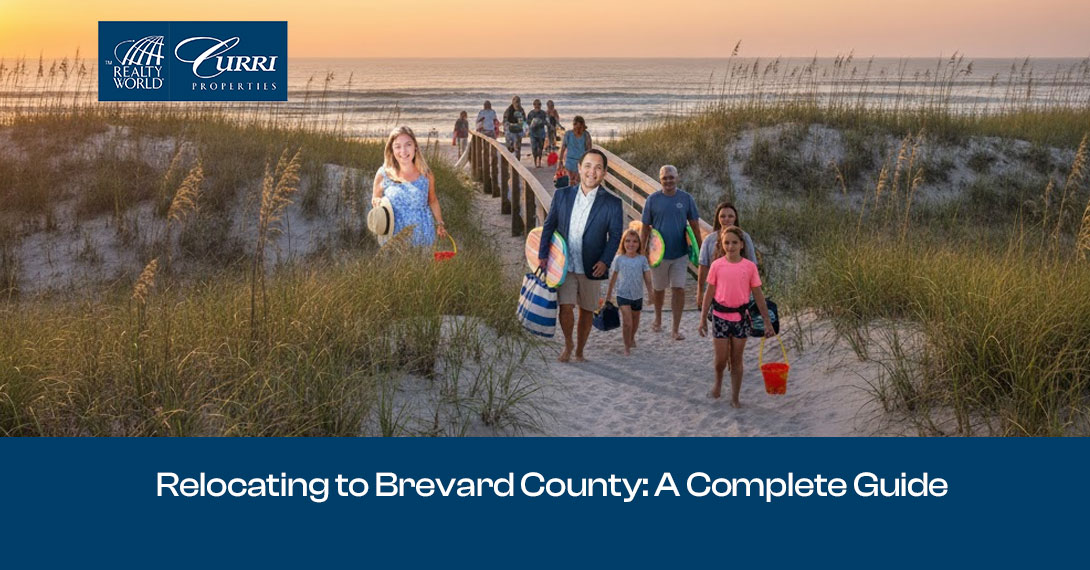
Thinking about a fresh start on Florida’s Space Coast? Brevard County blends Atlantic-ocean beaches, riverfront living, rocket-launch views, and friendly neighborhoods with real value for homeowners and renters. Whether you’re moving for work (aerospace, defense, healthcare, tech), for sunshine and surf, or for a more relaxed lifestyle, this guide walks you through the entire relocation journey—from first research to move-in day and beyond.
Lifestyle variety: Oceanfront towns, riverfront enclaves, suburban master-planned communities, historic districts, and rural acreage all within ~70 miles of coastline.
Jobs & industry: A growing ecosystem anchored by aerospace and defense, plus healthcare, tourism, logistics, and professional services.
Daily ease: Smaller-city convenience, outdoor everything (beaches, boating, fishing, surfing, golf, parks), and quick access to Orlando.
Value: A range of housing options—from attainable starter homes to luxury waterfront—often at a relative value compared with other Florida coasts.
Use this as your master checklist. (Tip: Print it or save it to your notes app.)
Define your “Why + What.”
Why Brevard? Commute? Schools? Waterfront? Work?
What’s non-negotiable? Bedrooms, budget, HOA/no HOA, garage size, boat dock, proximity to beach.
Establish a realistic budget.
Include down payment or first/last/security for rentals.
Plan for closing costs, inspection, appraisal, insurance binders, and moving expenses.
If buying, speak with a local lender for a pre-approval, not just a pre-qualification. Sellers take you more seriously with a pre-approval in hand.
Engage a local real-estate advisor.
A neighborhood-savvy agent can match lifestyle goals with communities, vet homes beyond the listing photos, and advise on flood zones, wind-mitigation features, and HOA rules.
Start shortlisting areas (more on neighborhoods below).
Consider commute routes (I-95, US-1, A1A), school preferences, beach vs. river priorities, and how often you’ll head to Orlando.
Decide buy vs. rent (for year one).
Rent first if you want to “test drive” schools, neighborhoods, and commute.
Buy now if you’ve got clear criteria, strong financing, and want to capture equity.
Plan a discovery trip (virtual or in-person).
Tour multiple cities in a single day to calibrate your expectations.
Ask your agent for drive-time tests during rush hour and weekend beach traffic.
Line up your home tours.
For buyers: Arrange back-to-back showings and bring your pre-approval.
For renters: Prep documents (ID, income verification, prior landlord references, pet records).
Research insurance early.
Florida policies can be nuanced (wind, roof age/condition, flood for certain zones).
Ask your agent which homes may earn credits for impact windows/doors, hip roof, clips/straps, etc.
Make your offer or apply for your rental.
Buyers: Expect negotiation on price, repairs, and credits.
Renters: Move quickly—clean applications win.
Schedule inspections.
General home, 4-point, wind mitigation; add roof, pool, seawall/dock, or termite as needed.
Use reports to negotiate repairs/credits and to optimize insurance quotes.
Plan your schooling path (if applicable).
Get enrollment documents ready (proof of residency, immunizations, transcripts).
Identify bus routes or school drop-off plans.
Lock in utilities & services.
Electric, water/sewer, trash, internet, and any security/monitoring.
Schedule pest control and lawn care if not included in HOA.
Finalize movers (or DIY plan).
Reserve elevator/association move-in windows for condos/townhomes.
Label boxes by room and “priority unpack.”
Address change & essentials.
USPS, banks, insurance, subscriptions.
Update driver’s license and vehicle registration after arrival per state timelines.
Final walkthrough (buyers).
Confirm agreed repairs, appliance operation, and property condition.
Deep clean + safety setup.
Change locks, test smoke/CO detectors, verify hurricane shutters or impact window keys, locate shut-offs and panel breakers.
Meet the neighborhood.
Introduce yourself, learn trash days, pool/gym hours, boat-ramp rules, and any local quirks (turtle season lighting near the beach, for example).
Brevard isn’t one size fits all. Here’s a fast orientation—your agent can fine-tune this to you:
Titusville & North Brevard: Access to Kennedy Space Center; growing downtown vibe; river and conservation areas; solid value for larger lots and single-family homes.
Cocoa & Cocoa Beach: Beach town energy, surfing, iconic pier area, vacation/second-home potential; condos and townhomes mixed with single-family; cruise access via nearby Port Canaveral.
Merritt Island: River-to-river living with many canal homes; boating culture; mix of classic and updated properties; close to beaches without being on the island’s ocean side.
Cape Canaveral & Port Area: Condo/townhome inventory, seasonal energy, cruise-centric amenities; appealing for low-maintenance living.
Rockledge & Viera: Master-planned communities, A-rated schools, shopping/dining, golf; abundant new(er) construction, parks, trails, and family amenities.
Suntree & North Melbourne: Established neighborhoods, larger lots in some enclaves, quick access to I-95 and beach causeways; golf and HOA communities.
Melbourne & Eau Gallie Arts District (EGAD): Historic character, arts and dining, riverfront options; a mix of renovated bungalows and newer builds.
Indialantic, Indian Harbour Beach, Satellite Beach: Barrier-island lifestyle, walkable beach access, strong community feel; single-family and low-rise condos; popular for surfing and schools.
Melbourne Beach & South Beaches: Quiet, pristine feel; oceanfront and riverfront luxury; nature preserves and less congestion.
Palm Bay: Strong value per square foot; lots of new construction; convenient to I-95; diverse neighborhoods and price points.
Pro tip: Make two lists—“Must Haves” (non-negotiables) and “Nice to Haves.” Review after touring. Brevard often surprises buyers with possibilities (e.g., a bigger yard, boat dock potential, or a shorter commute than expected).
Single-Family Homes
Great for privacy, yards, garages, boat/RV parking (check local rules).
Inspect roofs carefully; insurance often depends on age/condition.
Condos & Townhomes
Low-maintenance, often with pools/gyms/beach access; ask about HOA budgets, reserves, and assessments.
Review condo docs for rental rules, pet policies, and vehicle restrictions.
Waterfront & Canal Homes
Understand seawall age, dock condition, boat draft/bridge clearance, and tidal effects.
Check for flood zone designations and insurance needs; verify lift capacity if you have a specific boat.
New Construction
Benefit from energy efficiency and builder warranties; compare base price vs. upgrades.
Ask about completion timelines and incentives; always get an independent inspection.
Investment Properties
Confirm rental rules (city/HOA), seasonality, and realistic revenue assumptions.
Consider property management—Brevard has strong long-term rental demand in many corridors.
Shop the home and the insurability.
Wind mitigation, impact glass, roof shape, and age can materially change quotes.
Evaluate commute windows.
Drive your expected route morning and late afternoon; beach causeways and school zones can change timing.
Think hurricane readiness.
Impact windows/doors, backup power options, and drainage all matter. Confirm shutter types and all hardware is present.
Budget for utilities.
Electric (seasonal AC), water/sewer, internet (compare providers), lawn/pest care. Beachside may have higher salt-air maintenance.
If renting with pets:
Expect pet screening fees, breed/weight limits, and deposits. Collect vet records early.
Public, charter, private: Brevard offers a mix, including specialized programs in STEM, arts, and advanced studies.
Enrollment timing: Start paperwork early—proof of address, transfer records, and any special program applications.
Commute & activities: Choose an area that supports after-school sports, beach time, and clubs without long drives.
(Your Realty World Curri Properties agent can share school-oriented neighborhood insights and practical tips families use locally.)
Key corridors: I-95 for north–south travel; US-1 for scenic riverside routes; A1A for ocean towns; SR-528 and SR-520 connect to Orlando and Port Canaveral.
Air travel: Melbourne Orlando International (MLB) is right here; Orlando International (MCO) is typically 45–70+ minutes depending on where you live.
Errands: Most communities have nearby groceries, gyms, pharmacies, clinics, and pet care. Master-planned areas like Viera cluster amenities for easy access.
Aerospace/Defense: Engineering, manufacturing, launch operations, and support roles draw talent regionally and nationally.
Healthcare: Hospitals, clinics, specialty practices, and medical support services.
Professional & Tech: Software, IT support, research, and growing entrepreneurial hubs.
Tourism/Marine: Cruises, charter fishing, waterfront hospitality, and marina services.
Tip: If you’re relocating with a remote role, test your preferred neighborhood’s internet providers and speeds before you sign.
Beaches & surfing: Many public access points; learn local etiquette and turtle season lighting rules.
Boating & fishing: River, lagoon, and ocean options; check ramps, marinas, and HOA dock rules.
Parks & trails: County parks, preserves, and dog-friendly spaces are plentiful.
Launch watch parties: Rocket launches are a regular thrill—plan coastal road or riverfront vantage spots.
Arts & culture: Galleries, live music, community theater, and seasonal festivals (especially around historic districts and EGAD).
Home insurance: Roof age, updates, and inspection reports can shift premiums; ask about wind-mitigation credits.
Flood awareness: Even if not required by a lender, flood policies can be wise near waterways; review maps and elevation.
HOA/Condo associations: Read docs before committing—rules affect parking, rentals, pets, and exterior changes.
Homestead benefits (homeowners): After you establish primary residency, ask your agent how local owners typically document and apply for available tax benefits/exemptions.
Storm prep: Keep a seasonal checklist—water, batteries, generator safety, evacuation routes, and neighbors who might need assistance.
Set a realistic monthly number that includes mortgage/rent, insurance, utilities, maintenance, and fuel/commute.
Energy efficiency pays: Impact windows, good insulation, smart thermostats, and newer HVAC can shrink bills.
HOA value check: Compare dues against included amenities (pools, lawn care, internet/cable, security)—sometimes HOA communities save you money overall.
Maintenance cadence: Salt air and sun mean staying ahead of paint, roof, and hardware upkeep—budget annually.
Application readiness: IDs, income verification, credit/background, prior landlord references, and pet info.
Typical timelines: Well-priced rentals can go quickly—be decisive.
Lease clarity: Understand renewal, increases, and maintenance responsibilities (yard, pool, pest).
Furnished vs. unfurnished: Beach/condo markets may offer furnished options; confirm inventory and storage needs.
Pre-approval first.
Tour with context: Bring a measuring tape, and scan for roof/HVAC age, window types, and drainage.
Offer strategy: Price, terms, and timelines matter; escalation clauses and appraisal strategies are situational—lean on your agent.
Post-inspection: Prioritize safety/insurance items in repair requests; know when credits are smarter than repairs.
Pets: Microchip, vet records, and county licensing after move. Check HOA/condo pet limits and nearby dog beaches/parks.
Boats/Toys: Verify driveway/side-yard storage rules; consider a nearby marina or dry stack if space is tight.
Beach gear: Rinse salt/sand, store thoughtfully, and learn turtle-season lighting practices near the ocean.
Join neighborhood groups: Most communities have active social media groups for recommendations and alerts.
Explore farmer’s markets & food trucks: Great way to sample local flavor and meet neighbors.
Volunteer or join a club: Surf, paddle, run, arts, and civic groups make it easy to plug in.
Launch calendar: Keep an eye on upcoming rocket launches—invite friends and make it a tradition.
Q: East of US-1 or west of US-1?
East gets you closer to beaches and barrier islands; west often means newer builds and master-planned amenities. Budget and lifestyle decide.
Q: Will I need flood insurance?
Depends on location and lender; even outside high-risk zones, some owners choose a policy. Ask your agent to help you evaluate.
Q: How’s the traffic?
Typically lighter than major metros. Beach causeways, school drop-off windows, and launch days can add time—test your route.
Q: Can I keep a boat/RV at home?
Varies by city and HOA. Confirm rules before you buy or sign a lease.
Q: Is new construction worth it?
If you value warranties and energy efficiency, often yes. Compare total cost (lot premiums, upgrades, wait time) against a move-in-ready resale.
Define budget, timeline, and top 5 must-haves
Get local lender pre-approval (buyers) or rental docs ready (renters)
Choose 2–3 focus areas with your agent
Tour homes (virtual/in-person), test commute routes
Compare insurance quotes early; review flood/mitigation
Make offer / apply for rental; schedule inspections
Line up movers, utilities, internet, and service providers
Complete address changes; plan DMV updates after arrival
Learn HOA/condo rules, trash days, and community amenities
Prepare storm kit; confirm shutters or impact features
Meet neighbors; find your favorite beach access and launch spot
Relocating is more than finding a house—it’s matching a life to a location. Our team combines hyper-local market knowledge with a concierge approach:
Neighborhood matchmaking based on commute, schools, hobbies, and budget
Private previews and virtual tours for out-of-area buyers and renters
Insurance-aware home selection (wind, roof, flood considerations)
Skilled negotiation on price, terms, repairs, and timelines
Vendor network (inspectors, insurance pros, lenders, movers, marine services)
Post-closing support to help you settle in quickly
Ready to explore Brevard County with a local guide who listens first and sells second? Reach out to Realty World Curri Properties—we’ll help you land the right home, in the right neighborhood, at the right pace.
Thinking about a fresh start on Florida’s Space Coast? Brevard County blends Atlantic-ocean beaches, riverfront living, rocket-launch views, and friendly neighborhoods with real value for
How cost-conscious buyers can find value on Florida’s Space Coast — and how Realty World Curri Properties can help you land it.Why Brevard County remains a smart buy in 2025Florida&rsquo
How Realty World Curri Properties guides buyers and sellers on Florida’s Space CoastIntroduction: Why “Local” Matters More Than EverReal estate has never been more data-driven;
Your local guide to buying along the Indian River Lagoon and the Atlantic Coast — from Cocoa Beach to Melbourne Beach and beyond.Buying a waterfront home in Brevard County isn’t just a
 Information is deemed to be reliable, but is not guaranteed. © 2026 MLS. Last Updated September 9, 2026 6:29 PM UTC The information on this sheet has been made available by the MLS and may not be the listing of the provider. Listing data provided by the Daytona Beach Area Association of REALTORS® Internet Data Exchange (IDX) program. Data is believed to be accurate but not warranted.
 These listings are provided by the IDX Program of Brevard County, Florida. Real Estate listings held by brokerage firms other than Realty World Curri Properties are marked with the IDX Logo and detailed information about them includes the name of the listing brokers. IDX information is provided exclusively for consumers' personal, non-commercial use, and may not be used for any purpose other than to identify prospective properties consumers may be interested in purchasing. Information Deemed Reliable
But Not Guaranteed.
Copyright 2026 Space Coast Association of REALTORS, Inc
Show More...
These listings are provided by the IDX Program of Brevard County, Florida. Real Estate listings held by brokerage firms other than Realty World Curri Properties are marked with the IDX Logo and detailed information about them includes the name of the listing brokers. IDX information is provided exclusively for consumers' personal, non-commercial use, and may not be used for any purpose other than to identify prospective properties consumers may be interested in purchasing. Information Deemed Reliable
But Not Guaranteed.
Copyright 2026 Space Coast Association of REALTORS, Inc
Show More...
