
Thinking about a fresh start on Florida’s Space Coast? Brevard County blends Atlantic-ocean beaches, riverfront living, rocket-launch views, and friendly neighborhoods with real value for

Dated: September 10 2025
Views: 1237
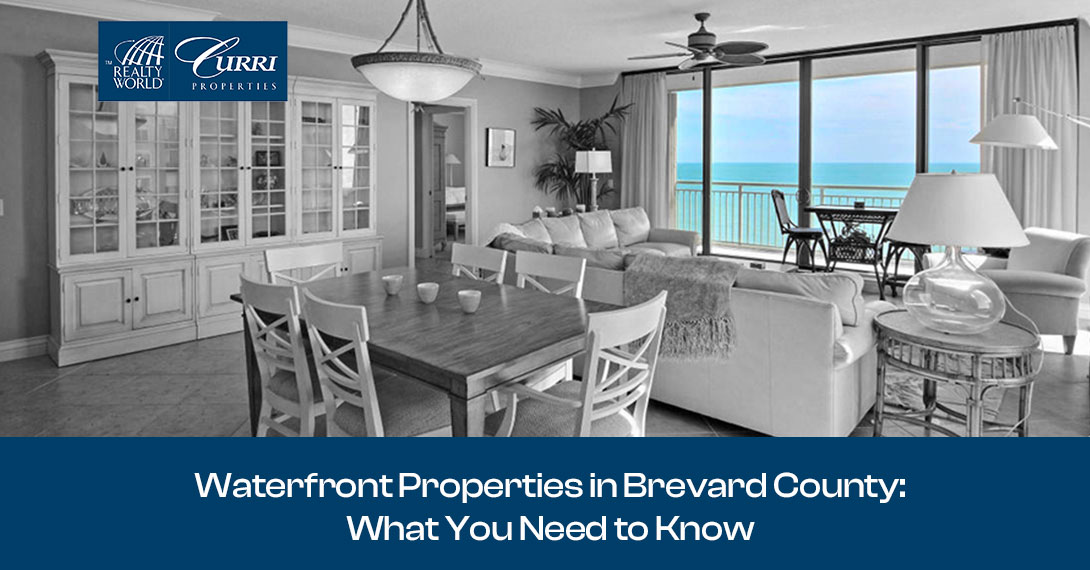
Your local guide to buying along the Indian River Lagoon and the Atlantic Coast — from Cocoa Beach to Melbourne Beach and beyond.
Buying a waterfront home in Brevard County isn’t just a real estate decision — it’s a lifestyle choice. Whether you picture sunrise coffee on an oceanfront balcony or sunset cruises from your backyard dock on the Indian River, the Space Coast offers an unmatched blend of natural beauty, boating, beach days, and rocket-launch views. But waterfront ownership is different from a typical suburban purchase. The rewards are huge; so are the details.
As local experts at Realty World Curri Properties, we help buyers navigate those details every day. This guide breaks down the essentials: neighborhoods to know, the unique mechanics of river vs. ocean living, permitting and insurance realities, inspections that matter, offer strategies, and how to set yourself up for success before the first showing.
Brevard County is framed by two very different waterfront experiences: the Indian River Lagoon system (which includes the Indian River and Banana River) to the west/east of the barrier island, and the Atlantic Ocean to the east.
Lifestyle: Calmer water, incredible sunsets, wildlife (dolphins, manatees, pelicans), and a boat-friendly scene with easy access to fishing and islands.
Boating: Great for center consoles, flats boats, kayaks, and paddleboards. Depth and draft matter in certain canals and shallows; bridge clearances and no-wake/manatee zones affect route planning.
Property Types: Canalfront single-family homes with docks/lifts, riverfront estates along Merritt Island and the mainland (Melbourne, Rockledge, Palm Bay), and lagoon-view condos in Cocoa Beach and Satellite Beach.
Maintenance: Brackish water is less harsh than open ocean, but salt and sun still require consistent care for docks, lifts, railings, and exterior finishes.
Insurance & Flood: Often AE flood zones (varies by parcel). Elevation and distance from the river influence premiums.
Current Lagoon listings - Click here
Lifestyle: Direct beach access, surfing, sea breezes, and sunrise views. Seasonal turtle nesting brings community awareness and lighting rules.
Property Types: Oceanfront condos and single-family homes on the dune line in Cocoa Beach, Satellite Beach, Indialantic, and Melbourne Beach.
Maintenance: Highest exposure to salt spray and wind. Impact glass, metal roofs, and meticulous exterior maintenance are common.
Insurance & Flood: Oceanfront parcels often fall into VE flood zones with stricter building standards and typically higher premiums. Dune preservation and coastal construction rules add another layer of due diligence.
Current Oceanfront listings - Click here
Cocoa Beach: Classic canalfront neighborhoods with quick access to the Banana River and ocean via Port Canaveral; lively town center, walkable beaches, and a robust condo market.
Merritt Island: Riverfront estates on South Tropical Trail with panoramic views; canals off Sykes Creek for protected dockage; a favorite for serious boaters.
Satellite Beach & Indian Harbour Beach: Mixture of oceanfront condos and well-planned canalfront communities; easy access to Patrick Space Force Base, parks, and beachside amenities.
Indialantic & Melbourne Beach: Quieter beach towns with ocean-to-river living on the barrier island; many homes enjoy short strolls to the beach with scenic river access nearby.
Mainland Melbourne, Eau Gallie, Rockledge: Riverfront homes with larger lots, historic districts, and direct access to mainland conveniences, dining, and arts districts.
Tip: If your daydreams include a boat behind the house, focus on canal and river neighborhoods; if you’re all about rolling out a beach towel in seconds, concentrate on oceanfront streets and condo buildings right on the sand.
Before we step into the first showing, get these pieces in place:
Budget with Insurance Reality: Ask your lender for payment scenarios that include windstorm and flood insurance line items. Waterfront premiums are different from inland; planning upfront removes surprises later.
Loan Type & Use Case: Primary vs. second home vs. investment property can change down payment, rates, and condo underwriting. If you plan short-term rentals, confirm local rules (they vary by city and by building/HOA).
Boat Requirements: Know your draft, bridge clearance needs, and desired dock/lift capacity. We’ll cross-check canals, depths, and clearances to avoid mismatches.
Lifestyle Priorities: Rank “ocean vs. river,” commute time, school preferences, beach access, marina proximity, and walkability.
Timeline: Waterfront deals can add a few extra days to accommodate marine inspections and insurance quotes. Build that into your expectations.
Every home deserves a thorough inspection; waterfront homes deserve additional specialists:
General Home Inspection: Structure, roof, HVAC, electrical, plumbing, windows/doors (impact rating), and moisture intrusion.
Roof & Wind Mitigation: Documentation can improve insurance pricing; pay attention to roof age, material (metal vs. shingle), fasteners, secondary moisture barrier, and opening protections.
Seawall & Dock Inspection: Evaluate material (concrete/vinyl/wood), tie-backs, cap condition, erosion at the toe, and signs of settlement. For docks: pilings, decking, hardware corrosion, lifts (weight rating/age/motors), and electrical bonding at the waterfront.
Septic vs. Sewer: Parts of the lagoon area are transitioning from septic to sewer for water quality. If the house has septic, consider age, location relative to waterline, and future conversion costs.
Termite/WDO: Wood decks, docks, and older coastal structures warrant extra vigilance.
Elevation Certificate & Survey: Confirm Base Flood Elevation, finished floor elevations, dock/encroachment boundaries, and any conservation easements or vegetation protections (e.g., mangroves).
Pro tip: Schedule marine and seawall/dock inspectors early. Their calendars fill up, and the findings meaningfully affect value, safety, and future costs.
Waterfront ownership comes with unique regulatory layers. The goal is to know them—not fear them.
Docks, Lifts & Seawalls: Additions or major repairs may require permits from the city or county, and sometimes state agencies. Expect rules around length, setbacks from property lines, and environmental protections.
Coastal Construction Control Line (CCCL): Oceanfront work east of the CCCL triggers stricter standards to protect dunes and the shoreline.
Turtle-Safe Lighting: Oceanfront properties must comply with lighting ordinances during nesting season; many buildings use amber, down-shielded fixtures.
Mangroves & Shoreline Vegetation: Trimming or removal can be regulated; in some cases, living shorelines are encouraged over hard seawalls.
No-Wake & Manatee Zones: Good to know for boat usage and your dock’s exposure to wake.
HOA/Condo Rules: Dock assignments, lift installations, short-term rental policies, and exterior modifications vary widely.
Your Realty World Curri Properties agent will help you understand what’s allowed today, what’s already permitted, and what might be possible later.
Waterfront buyers should treat insurance as part of the property’s DNA:
Flood Zones:
AE: Common along rivers/canals; premiums vary by elevation and mitigation.
VE: Often oceanfront; typically stricter requirements and higher costs.
Elevation Matters: A current Elevation Certificate informs flood insurance quotes. Raising mechanical systems and adding flood vents can help.
Windstorm: Impact-rated openings, roof shape (hip > gable), roof-to-wall connections, and a newer roof can materially improve pricing.
Condo Master Policies: For oceanfront condos, the association’s master policy covers the shell; you insure interior build-out (walls-in). Review reserves and recent/ongoing building projects (concrete restoration, roof, balconies).
Bottom line: Get preliminary quotes during due diligence. We coordinate introductions to reputable local insurance advisors so you can make an apples-to-apples comparison early.
For many riverfront and canal homes, the dock is the star amenity — but only if it matches your boat.
Canal Depth & Width: A deep-V hull may struggle in skinny water at low tide; flats boats excel. We’ll confirm typical depths with neighbors, public records, and on-site visuals.
Bridge & Powerline Clearances: Fixed bridges limit flybridge yachts and tall center consoles. Know your height with antennas.
Lift Capacity & Beam: Verify the lift rating, cradle spacing, and power service. If you’re planning a heavier boat, factor in upgrade costs.
Wake & Exposure: Protected canals are easier on hulls and dock pilings; open riverfront gets better views but more wave action.
Access: How many no-wake zones stand between you and your fishing grounds? Is there a nearby fuel dock or public launch?
Oceanfront is the dream for many buyers. Keep these specifics in mind:
Dune Integrity: Healthy dunes are your natural storm defense. Beach walkovers should protect sea oats and vegetation.
Setbacks & CCCL: Renovations and additions on oceanfront parcels require careful planning and permits; expect structural engineers and impact-rated solutions.
Balcony & Concrete Restoration (Condos): Oceanfront buildings undergo periodic concrete, balcony, and rail work due to salt exposure. Review association minutes, reserves, and planned assessments.
Windows & Doors: Impact glass (or shutters) protects value, view, and insurability.
The Indian River Lagoon is a jewel — and a shared responsibility.
Septic-to-Sewer Conversions: Many neighborhoods are migrating to sewer; this can influence property value and environmental impact.
Irrigation: Some homes use wells for irrigation; check salinity and system condition.
Stormwater: Swales and permeable driveways help reduce runoff.
Native Landscaping: Salt-tolerant, native plants thrive with less fuss and protect shorelines.
When it’s time to write an offer on a waterfront property, precision pays:
Marine & Seawall/Dock Inspection Contingencies: Name them explicitly with time frames.
Insurance Contingency (Optional): Gives you an out if wind/flood quotes exceed a threshold.
Personal Property: Lifts, davits, dock boxes, and boat-house equipment should be listed if you expect them to convey.
Condo Docs & Estoppel (if applicable): Request current budget, reserves, recent assessments, and engineering reports.
Survey: Order a new one if the seller’s is old; you’ll want current improvements, docks, and setbacks verified.
Permits Records: Ask for documentation on seawall, dock, and lift installations or repairs.
Check the Tide: For canal homes, visit at different tides if possible. Depth changes are revealing.
Bring Polarized Sunglasses: You’ll literally see the bottom (and obstructions) better.
Mosquito/No-See-Um Prep: Dusk can be buggy along mangroves and canals; plan your showing times accordingly.
Listen & Look: Wave action against a seawall, lift motor sounds, and stainless hardware corrosion all tell a story.
Choose Indian River/Banana River if you prioritize:
Backyard boating and calmer water
Sunsets, wildlife, and bigger lots
Lift + dock lifestyle with paddleboards and kayaks
Choose Atlantic Ocean if you prioritize:
Daily beach walks and surf out your back door
Sunrise views and salty breezes
Condo convenience with pool/gym on the sand
Some buyers split the difference with ocean-to-river access nearby: live riverfront with a short drive to a public beach, or choose an ocean-adjacent condo and keep a boat at a nearby marina. We’ll tailor the search to your lifestyle.
Plan, and it’s painless:
Quarterly: Rinse exterior metals, clean salt from railings and hardware, inspect dock electrical.
Annually: Service boat lifts, seal wood decking, inspect tie-backs and seawall cap, AC coil cleaning (salt exposure), pest/termite check.
Every Few Years: Exterior paint or coating refresh, evaluate roof fasteners, window/door seals.
Storm Prep: Know your shutter/impact plan, clear loose items from docks and balconies, and review your insurance binder before hurricane season.
Q: Will I always need flood insurance?
If your lender requires it (most do in AE/VE zones), yes. Even if you’re not required, we often recommend a policy — the lagoon and ocean are dynamic.
Q: Can I rent my river or ocean home short-term?
It depends on city rules, neighborhood zoning, and condo/HOA bylaws. We’ll check the exact address and building documents before you rely on rental income.
Q: What about rocket launches — are there restrictions or noise issues?
Launches are a beloved part of Space Coast life. Temporary waterway restrictions can apply near Port Canaveral and the Cape; most owners consider launches a major perk.
Q: Is an older seawall a dealbreaker?
Not necessarily. A professional inspection can estimate remaining life and repair options. We’ll price accordingly and negotiate credits if needed.
Q: Do oceanfront condos face special assessments?
They can, particularly for concrete restoration or hurricane hardening. Good associations plan ahead with strong reserves. We’ll review financials so you understand near-term risks.
Working with a team that lives and breathes Brevard waterfront makes a difference. Here’s how we guide buyers:
Inventory Intelligence: We know which canals run deeper, which condo stacks have the best views, and which riverfront stretches trade at a premium.
Inspector & Vendor Network: Marine inspectors, seawall specialists, dock builders, insurance advisors, and lenders who understand waterfront nuances.
Offer Strategy: Terms that protect your interests while staying competitive — especially on high-demand oceanfront and trophy river lots.
Contract-to-Close Coordination: Permits research, survey timing, insurance quotes, and association document review so there are no last-minute surprises.
After You Close: Need a lift upgrade, impact window quotes, or turtle-friendly lighting guidance? We’ll connect you with trusted pros.
If waterfront living in Brevard County is calling, let’s answer it together. Whether you’re drawn to the glassy calm of the Indian River Lagoon or the energy of the Atlantic surf, our team will curate properties that fit your lifestyle, budget, and boating or beach priorities — and then navigate the details that turn a great house into a safe, sound long-term investment.
Ready to tour waterfront homes along the Indian River or Atlantic Coast?
Reach out to Realty World Curri Properties. We’ll map out a plan, line up the right inspections, and guide you from the first showing to closing day — and onto the water the very next morning.
Pre-approval that accounts for wind & flood insurance
Decide: River/Canal vs. Oceanfront (or flexible)
Boat specs: length, beam, draft, and lift needs
Must-have features: dock, lift, impact glass, metal roof, pool, elevator (condo)
Inspections lined up: home, wind mitigation, seawall/dock, WDO, roof
Review flood zone & elevation certificate
Verify permits and HOA/condo rules (especially rentals and dock policies)
Insurance quotes in hand before contingencies expire
Offer terms include marine/dock and insurance contingencies
Post-close maintenance plan (dock service, exterior care)
Waterfront dreams are personal — the process doesn’t have to be complicated. With the right plan and a local team, you can buy with confidence and start living the Space Coast lifestyle you’ve been imagining.
Thinking about a fresh start on Florida’s Space Coast? Brevard County blends Atlantic-ocean beaches, riverfront living, rocket-launch views, and friendly neighborhoods with real value for
How cost-conscious buyers can find value on Florida’s Space Coast — and how Realty World Curri Properties can help you land it.Why Brevard County remains a smart buy in 2025Florida&rsquo
How Realty World Curri Properties guides buyers and sellers on Florida’s Space CoastIntroduction: Why “Local” Matters More Than EverReal estate has never been more data-driven;
Your local guide to buying along the Indian River Lagoon and the Atlantic Coast — from Cocoa Beach to Melbourne Beach and beyond.Buying a waterfront home in Brevard County isn’t just a
 Information is deemed to be reliable, but is not guaranteed. © 2026 MLS. Last Updated September 23, 2026 10:21 PM UTC The information on this sheet has been made available by the MLS and may not be the listing of the provider. Listing data provided by the Daytona Beach Area Association of REALTORS® Internet Data Exchange (IDX) program. Data is believed to be accurate but not warranted.
 These listings are provided by the IDX Program of Brevard County, Florida. Real Estate listings held by brokerage firms other than Realty World Curri Properties are marked with the IDX Logo and detailed information about them includes the name of the listing brokers. IDX information is provided exclusively for consumers' personal, non-commercial use, and may not be used for any purpose other than to identify prospective properties consumers may be interested in purchasing. Information Deemed Reliable
But Not Guaranteed.
Copyright 2026 Space Coast Association of REALTORS, Inc
Show More...
These listings are provided by the IDX Program of Brevard County, Florida. Real Estate listings held by brokerage firms other than Realty World Curri Properties are marked with the IDX Logo and detailed information about them includes the name of the listing brokers. IDX information is provided exclusively for consumers' personal, non-commercial use, and may not be used for any purpose other than to identify prospective properties consumers may be interested in purchasing. Information Deemed Reliable
But Not Guaranteed.
Copyright 2026 Space Coast Association of REALTORS, Inc
Show More...
